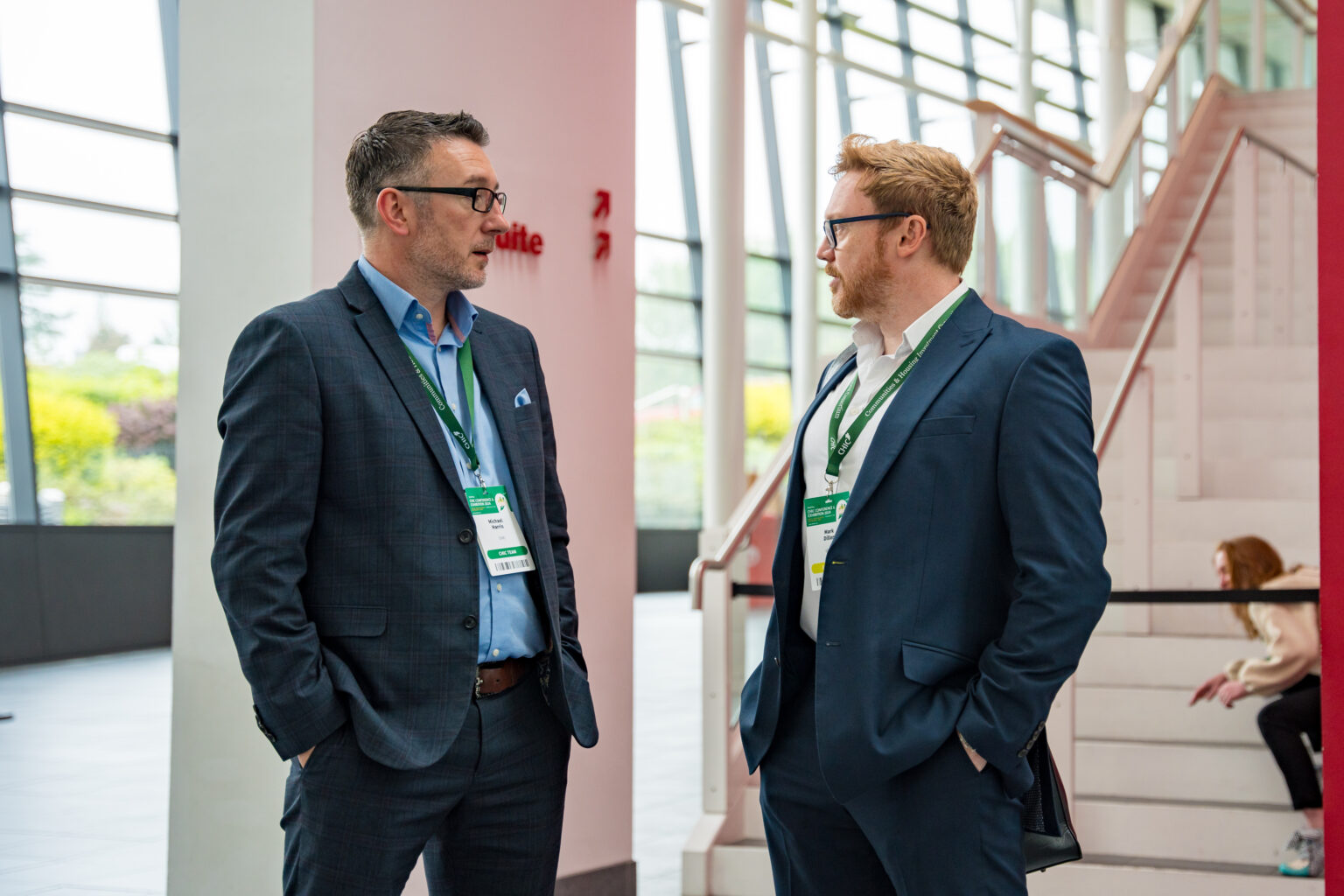
Andy Cameron-Smith sat down with Mike Harris, Head of Partnerships at CHIC, to talk about why health should be central to procurement in social housing, and how stronger collaboration across the sector can help drive better outcomes for residents. Here is a summary of what was discussed.
Why should social housing providers prioritise health outcomes when procuring works and services?
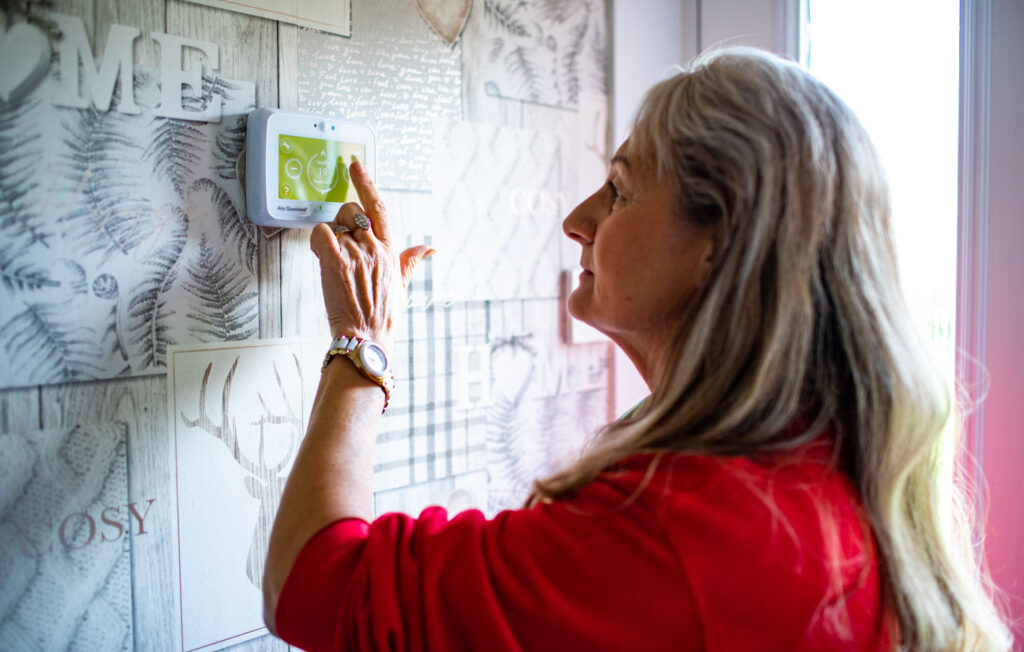
If you strip it right back, the condition of someone’s home has a direct impact on their health. It really is that simple. When homes are cold, damp or poorly ventilated, it is not just uncomfortable, it can lead to serious health issues.
And we have all seen what that looks like in reality. Damp and mould are the obvious examples, but behind that you have real situations. Children missing school. People unable to work. Families dealing with ongoing health problems. So when we talk about housing quality, we are not talking about abstract standards, we are talking about people’s everyday lives.
There is also a clear expectation now from regulators. Providers need to understand the condition of their homes and make sure they are safe. That means thinking about tenant health at every stage, from design right through to delivery, not just when something goes wrong.
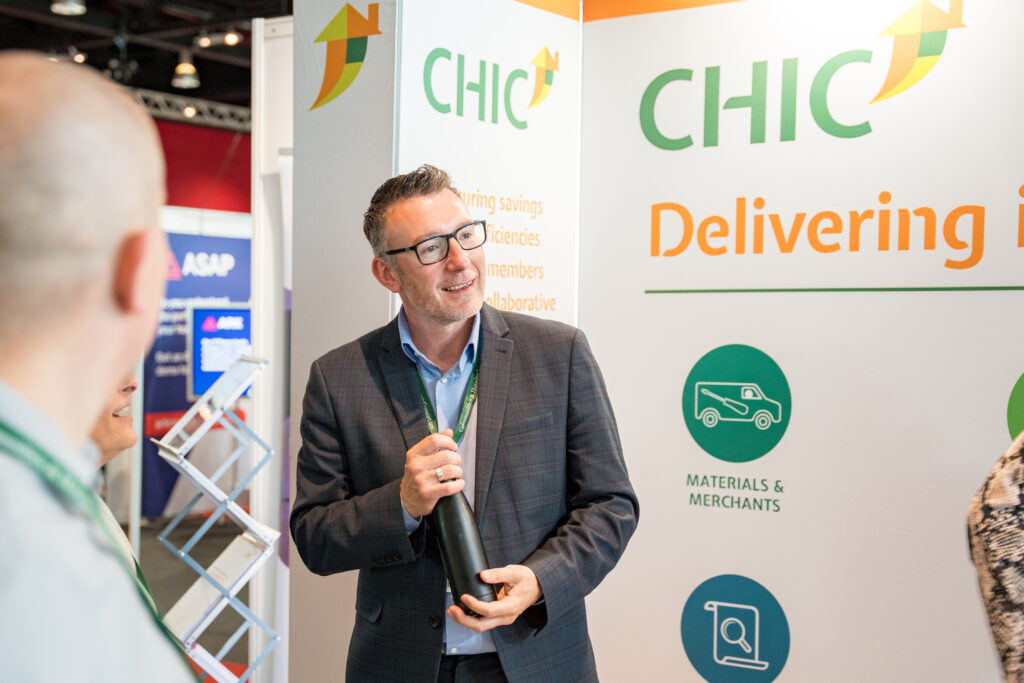
From our perspective at CHIC, a big part of the role is working closely with the supply chain, the contractors and suppliers on our frameworks. We act as that link between them and our members. It is about helping them see the impact their work has on residents’ health, but also listening to what is happening on site and feeding that back in. That two way conversation is where real improvement starts.
What is the business case for investing in health focused procurement?
There is obviously a strong human case for doing this, but the financial case is just as clear.
When people are living in good quality homes and their health is better, everything tends to work more smoothly. People are more likely to be in work, keeping up with rent payments and playing an active role in their communities.
If you look at it the other way, poor housing conditions can be incredibly costly. You get repeat repairs, longer voids, more complaints, involvement from the ombudsman, and in some cases regulatory action. It builds up quickly.
So really, it is about changing the mindset. Moving away from constantly reacting to problems, and instead putting more focus on preventing them. That comes down to better quality work, the right specifications and a clearer understanding of how what we do affects people’s health in their homes.
There is also the wider picture with the NHS. Poor housing creates a lot of avoidable demand. Hospital admissions for respiratory issues, GP appointments linked to mould, increased need for mental health support. If housing providers, contractors and health services can work more closely together, there is a real opportunity to focus on the things that make the biggest difference and ease some of that pressure.
And with the Procurement Act putting more emphasis on what happens after a contract is awarded, there is a real opportunity for frameworks to show value in a broader sense, not just cost and time, but outcomes as well.
How can procurement frameworks facilitate partnership working between housing and health?
Frameworks can play a big role here, but only if health is built in from the beginning.
That means it needs to be part of the specifications, part of how contractors are selected, and part of how performance is measured. It is about setting expectations early and making sure everyone is working towards the same outcomes.
Communication is a big part of it as well. Keeping that dialogue open between housing providers and contractors.
Again, this is where our relationship with the supply chain really comes into play. Because we are working closely with contractors day to day, we can help turn those health priorities into something practical. It becomes about what that actually means on site, in people’s homes, not just something written into a document.
What does good practice look like in health focused procurement?
It really starts with looking at everything through a healthy homes lens. Whatever you are procuring, whether it is surveys, planned works or day to day repairs, health should always be part of the thinking.
There is also a need to better understand how the health system works. Engaging with Integrated Care Boards is a good example. It helps give a clearer picture of how funding flows and how services are structured, which in turn helps shape procurement in a more joined up way.
Retrofit is another area where thinking needs to evolve a bit. It is not just about improving energy efficiency, it is also a health intervention. If you improve insulation but do not think about ventilation, you can create new problems. Homes are complex, so improvements need to be looked at as a whole.
At the end of the day, the goal is to create homes that help keep people well, rather than stepping in later to deal with the consequences of poor conditions.
What are the barriers to partnership working across health and housing, and how can frameworks help overcome them?
One of the main challenges is that housing and health still tend to be thought of separately. They have different funding models, different priorities and measure success in different ways, so bringing them together is not always straightforward.
Frameworks can help by creating more structured and longer term partnerships. That consistency makes collaboration much easier than relying on one off engagement.
Data is another piece of the puzzle. It can be incredibly valuable, but it needs to be handled carefully. Good frameworks can set out clear ways of sharing information that meet data protection requirements, whether that is anonymised data for planning or consent based sharing for individual cases.
Funding is also a factor. Budgets are usually separate, which can make joint working more difficult. Approaches like joint commissioning, or frameworks that focus more on social value and health outcomes, can help bridge that gap.
And then there is the knowledge gap. Housing professionals do not always have a clear understanding of how health systems work, and the same applies in reverse. Closing that gap can make a big difference.
What should social housing providers look for when selecting framework partners?
The key thing is whether health outcomes are genuinely part of the framework, or just something that sits on the side.
It is worth asking how health is built in at every stage. That includes specifications, contractor selection and ongoing performance monitoring. It needs to run all the way through.
The capability of the supply chain is also really important. Contractors need to be able to recognise health risks in the home and respond appropriately.
Social value is another area to look at. The strongest frameworks go beyond the physical work and support local employment, skills and community investment, all of which contribute to wellbeing.
And importantly, frameworks should be able to measure impact. If you can track outcomes, learn from them and keep improving, that is where you start to see real change.
What is your vision for the future of health focused procurement in social housing?
I think the shift we need to see is moving from health being something that comes out of good housing, to something that is actively considered from the start.
Every decision should come back to a simple question. How does this improve people’s health?
And then it is about backing that up. Measuring impact, learning from it and continuing to improve.
The reality is that this is not something any one organisation can solve on its own. It will take strong partnerships between housing providers, framework providers, contractors, health services and residents.
We are already seeing progress, particularly with implementation of new regulations like Awaab’s Law, but there is still more to do. Frameworks have a real role to play in turning that momentum into practical improvements on the ground.
Ultimately, it comes back to creating homes and communities that genuinely support people to live healthier lives.