
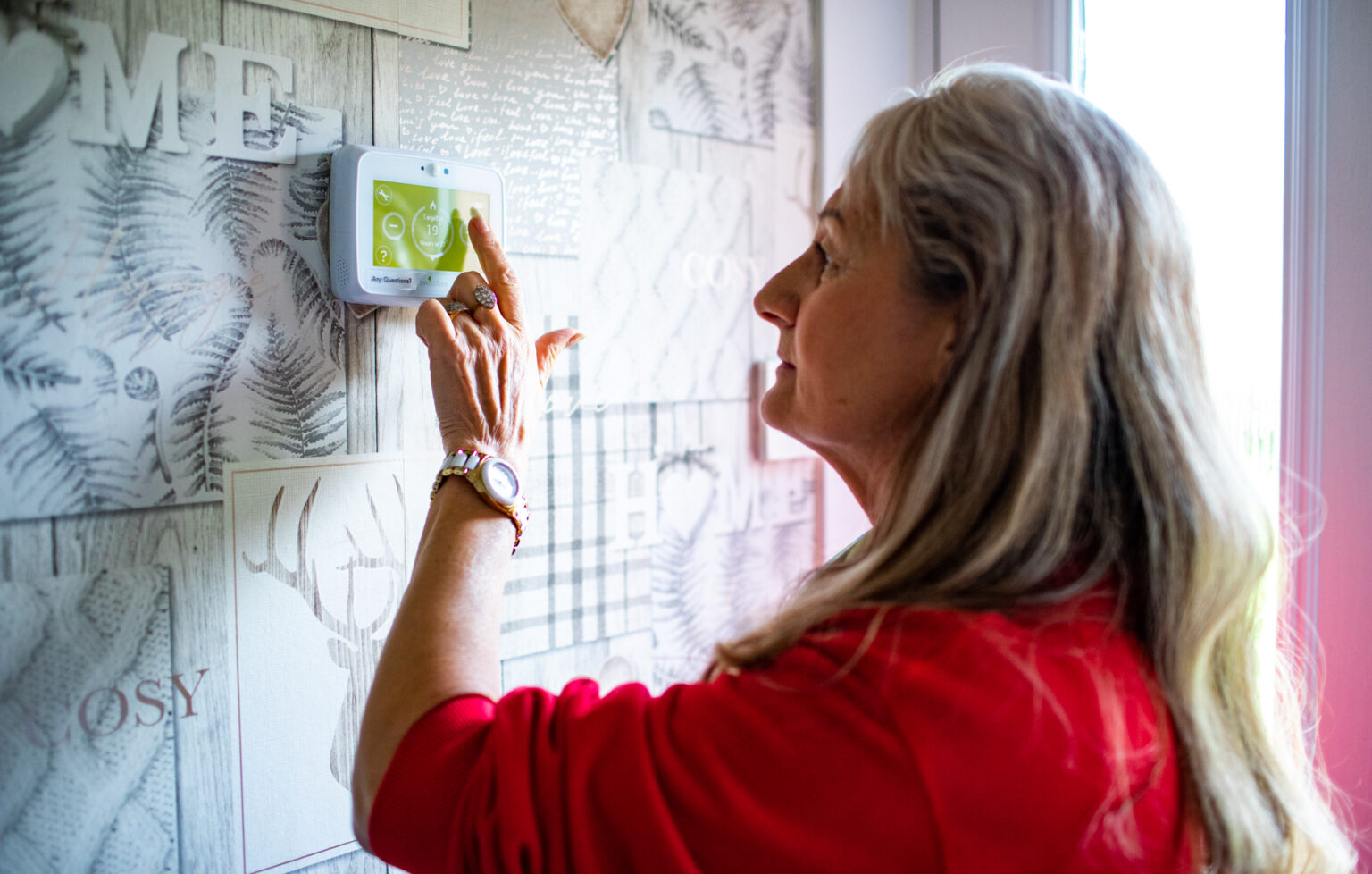
Supporting residents through extreme weather
As housing providers turn their attention to the colder months, the focus naturally shifts from managing overheating to preparing homes and residents for winter. Yet the two challenges have more in common than they first appear.
With Phase 1 of Awaab’s Law already reinforcing the importance of tackling damp and mould, and Phase 2 coming into force at the end of November, housing providers have an opportunity to take a more joined-up approach to managing environmental hazards. Rather than treating excess heat and excess cold as separate issues, the same principles apply year-round: identify risk early, engage residents proactively, and act before issues escalate.
This year’s summer heatwaves offered valuable lessons – not simply about responding to high temperatures, but about what effective preparedness looks like when environmental conditions begin to affect resident health and well-being.
Preparedness starts before residents raise concerns.
For many years, environmental hazards have often been managed reactively, with action taken once residents report that something is wrong. The next phase of Awaab’s Law presents an opportunity to move beyond that approach.
Many organisations are already using portfolio-wide environmental insights, such as Switchee’s Homescan reports for mould and overheating, to identify patterns across their housing stock, prioritise interventions, and direct resources where they will have the greatest impact.
Identifying risk remains essential, but it is only the beginning. The real value lies in what happens next.
Resident engagement turns insight into action.
Insight alone does not improve resident outcomes. Residents also need timely, relevant communication that helps them understand risks and take practical action.
Evidence from two Switchee housing provider customers demonstrates the value of proactive resident engagement during periods of extreme heat. Using the Switchee in-home device, they delivered targeted heat-related guidance to more than 1,700 households, achieving message delivery rates over 96%, resident engagement around 80%, and more than half of all interactions within the first 24 hours.
The campaigns also revealed an important insight. Around half of residents preferred practical, bite-sized advice delivered through the device, while others chose to access NHS and Government guidance. Rather than one approach outperforming the other, the results reinforced the importance of giving residents a choice and enabling them to access trusted information in the way that suits them best.
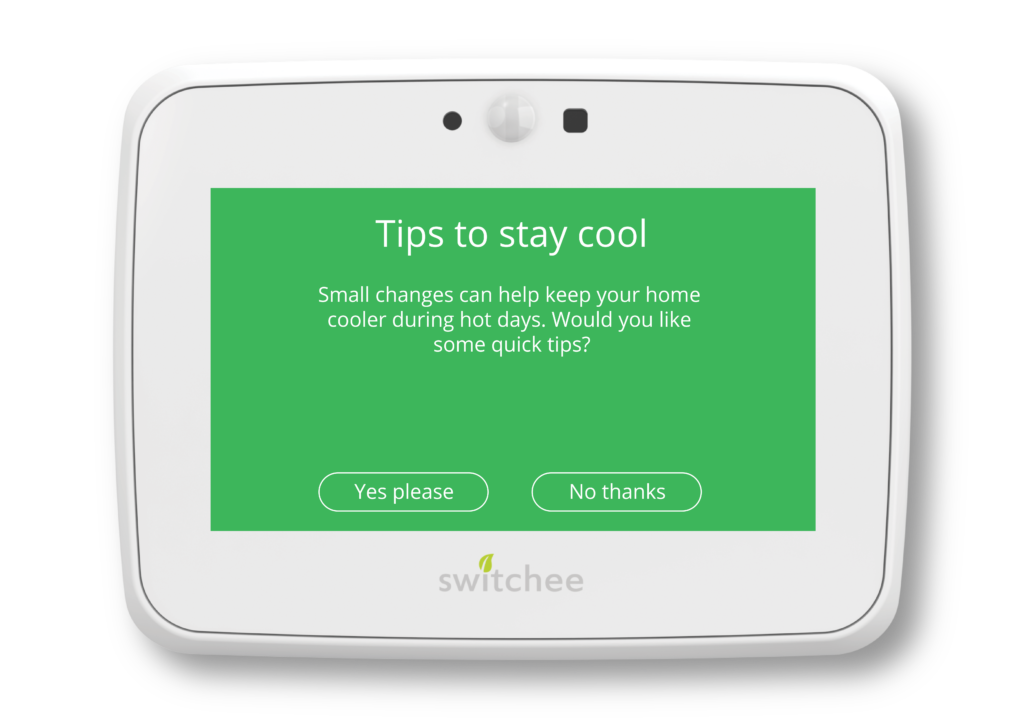
The same principle applies as temperatures fall. Whether signposting residents to financial and energy support, sharing practical advice on staying warm, or delivering targeted welfare campaigns for vulnerable households, trusted communication remains essential to protect residents’ well-being.
One approach, year-round.
The publication of Phase 2 guidance reinforces a broader shift in expectations. Housing providers are expected to identify hazards proactively, evidence their decisions, and demonstrate how they are protecting residents.
The lessons from this summer should not be left behind with the warmer weather. They build on the sector’s work around damp and mould, and provide a blueprint for managing environmental hazards throughout the year, whether homes are too hot in July or too cold in January.
Because identifying risk is only the first step. Preparedness is what protects residents.