By Kyle Smith, Head of Partnerships and Communication
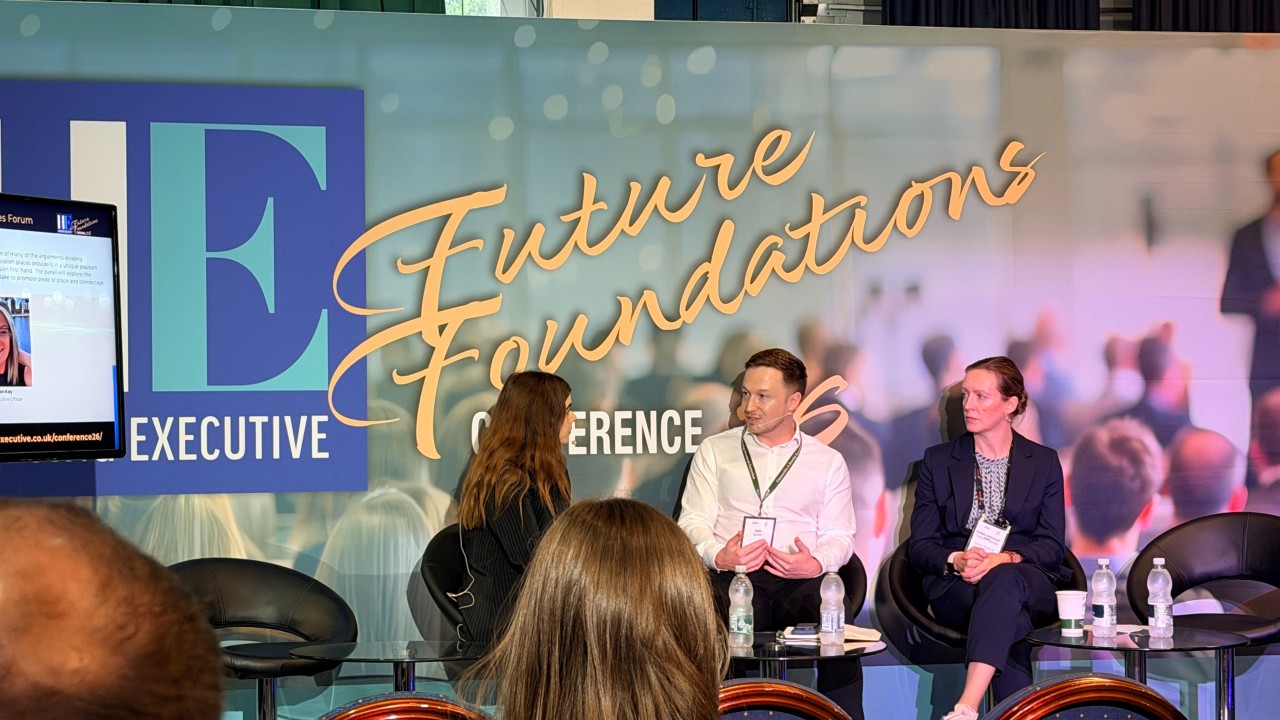
I recently had the privilege of joining a panel discussion on “Division Today: How to Cultivate Communities,” alongside the brilliant Victoria Spratt and Shelley Hathaway-Batt. It was a timely conversation, particularly given the current political climate and the intense scrutiny the social housing sector is facing.
When we look at the conversation on social media, it’s easy to feel overwhelmed by the noise. We see headlines that are designed to grab attention rather than inform, and we see a breakdown of trust that affects not just government, but our big institutions as well.
However, my key takeaway from our discussion is this: We cannot let the national debate distract us from our local reality. As housing professionals, we are in a unique position to correct the narrative. We have the data. We know who our homes are being let to, and we understand the demographics of our communities. When misinformation spreads, we have a responsibility to use that data, and our direct, personal communication with tenants, to set the record straight.
Building “Places”
A major part of the division we see today stems from a scarcity of housing, but it’s also about the quality of the places we build. As I noted during the panel, there is a statistic that suggests 85% of the homes we build today aren’t places where people actually want to live (Research from The King’s Foundation and Regional Building Foundation). We have spent too long designing for cars rather than for people. To cultivate community, we have to go back to basics. We need to build walkable, accessible spaces where humans can do what humans do: socialize, eat, and connect. I often point to the Houlton development in Rugby as a gold-standard example. Urban&Civic didn’t just build houses; they built a community hub, a high-quality café, before the housing was even finished. It established the area as a “place” from day one. Whether it’s open market or social housing, the need for these social anchors is universal.
Procurement as a Bridge
In my role at CHIC Ltd, I see procurement as a vital bridge. It isn’t just about contracts; it’s about strategic social value. Our supply chain partners are often eager to support the communities they work in, but they lack the “richness of information” that landlords possess. By acting as that bridge, we can align resources. Whether that’s funding, employment programs, or community centre refurbishments; with the actual needs of the residents on the ground.
The Long-Term Compass
The sector is under pressure, and there will always be political storms to navigate. But my advice to my colleagues is to keep your eyes on the horizon. We need to take a 20-to-30-year view of our role as place partners.
When we feel the pressure, our values must be our compass. As we discussed, organizations like Citizen have shown that when we stand by our values and refuse to tolerate hate speech or misinformation, we build stronger, more resilient communities.
I want to extend a huge thank you to Vicky Spratt for moderating such a vital conversation, and to Shelley Hathaway-Bates for her invaluable insights on the holistic, resident-centered work being done at Clarion Housing Group Futures.
The work is hard, and the challenges are complex, but by focusing on our values, our data, and our communities, we can continue to build places where people truly belong.