
By Emma Baskeyfield, Technical Manager
What’s Changing in the EPC System
The UK’s Energy Performance Certificate system is entering a major period of reform, designed to give the housing sector clearer, more accurate and more practical insight into how homes really perform. EPCs have historically provided only a limited picture of energy performance, often failing to reflect real usage or support effective planning for net zero. The new framework aims to change this, delivering more reliable data and a stronger foundation for long‑term asset and retrofit strategies.
These core reforms apply directly to England and Wales, where EPC policy is jointly legislated, while Scotland continue to operate devolved EPC systems. However, both nations are pursuing reforms with broadly similar aims, and due to shared calculation infrastructure, many technical elements will be aligned across the UK.
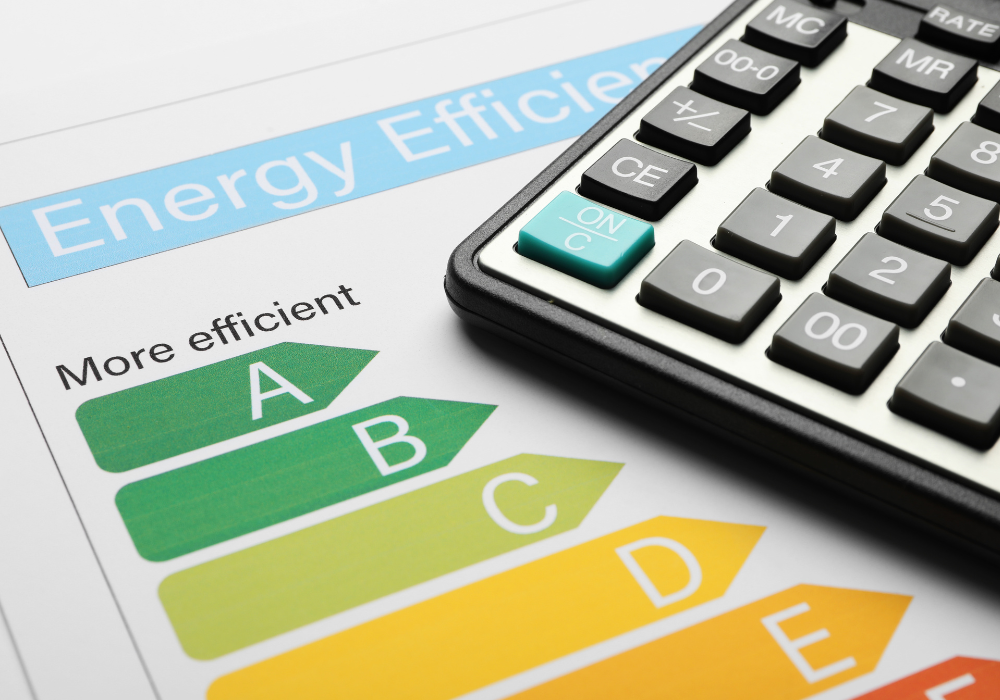
A significant shift is the replacement of the traditional A–G rating with four headline metrics covering energy cost, fabric performance, heating system efficiency and smart readiness. An additional energy‑demand indicator will also be included. This will provide a more meaningful and actionable assessment of each home’s performance, enabling landlords and housing providers to target improvement measures more effectively. England and Wales will adopt these new metrics from 2026, with implementation targeted from October 2026, with Scotland expected to introduce similar metrics once its ongoing consultations conclude.
EPCs will also need to be completed earlier, with certificates required before a property is marketed. This earlier trigger will apply in England and Wales, with Scotland expected to clarify its approach following its own consultation timetable.
New domestic EPCs will come into force from October 2026 in England and Wales, with Scotland expected to confirm its own timeline separately. Existing certificates currently remain valid for 10 years, however, government is consulting on potential changes to validity, so this may be revised later in 2026. This phased transition gives providers time to prepare and plan multi‑year programmes.
Implications for New Homes and Development Programmes
Alongside changes to EPCs for existing stock, the government’s Future Homes Standard (FHS) will reshape how new homes are designed and built. Coming into effect from late 2026, the FHS will require new homes to achieve dramatically lower carbon emissions compared to previous standards. This applies to England specifically, with Wales expected to adopt similar measures through its Future Wales housing policies, while Scotland will continue to use its own New Build Heat Standard, which already restricts fossil‑fuel systems.
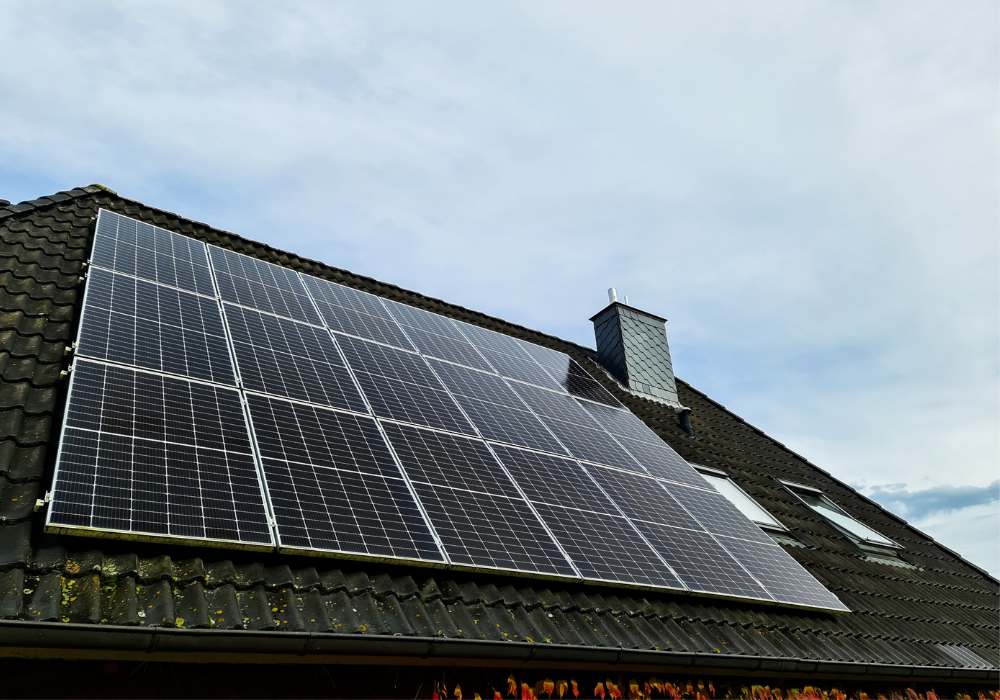
To meet the standard, new homes will rely on low‑carbon heating technologies, primarily heat pumps, as traditional fossil‑fuel systems will not meet compliance thresholds. Improved building fabric and on‑site renewable energy generation, particularly solar PV, will also be essential. The government has indicated that solar panels will become a functional requirement on most new homes wherever practical. Scotland already reflects similar expectations through its own building standards.
Assessment methods will change too. The familiar SAP methodology will be replaced by the new Home Energy Model (HEM) in England and Wales, offering more accurate modelling of real‑world energy use. HEM will underpin EPCs and FHS but is now expected to follow the FHS by at least a short interval, rather than launching on exactly the same date. Scotland is expected to update its modelling approach in parallel but will adopt it through its devolved regulatory route.
What This Means for Social Housing Providers
The introduction of Minimum Energy Efficiency Standards (MEES) to the social housing sector marks another significant policy change. MEES will be integrated into the Decent Homes Standard, requiring social homes to achieve the equivalent of EPC C by 2030, based on the new multi‑metric EPC system. This requirement applies to England, with Wales implementing similar ambitions through its Welsh Housing Quality Standard 2023, while Scotland continues to review its Energy Efficiency Standard for Social Housing (EESSH2) but aims for comparable outcomes.
While the reforms bring clear benefits, such as lower tenant bills, reduced fuel poverty and more reliable performance data, they also introduce challenges. Achieving EPC C at scale will increase demand for insulation, heating upgrades and smart technologies. Funding pressures, workforce capacity limitations and supply chain demand are expected to intensify across all three nations particularly as England, Wales and Scotland pursue parallel but independently governed energy‑efficiency programmes.
Together, these changes represent a significant opportunity to improve home quality, reduce emissions and deliver a more sustainable housing stock, provided that organisations have access to the right support, expertise and delivery mechanisms.
How CHIC Can Support Members
CHIC can support members throughout this period of significant change by providing a comprehensive suite of procurement and technical services. This includes access to established supply chains, experienced contractors and specialist consultancy to assist with surveys, retrofit design, installation, materials supply and full PAS 2035/2030 compliance.
CHIC’s procurement frameworks offer efficient, compliant routes to market, while its technical and delivery partners help members plan, resource and implement programmes with confidence. By drawing on CHIC’s expertise, members can manage costs, secure capacity, maintain compliance and deliver high quality outcomes across both retrofit and new build programmes, regardless of differing requirements across England, Wales and Scotland.