
By Liam Gratty, Director of Strategic Services
The UK Government has now released the long anticipated revised Decent Homes Standard (DHS). A modernised set of quality criteria that social and private rented homes must meet by 2035. The updated DHS drives a step change in expectations for housing condition, safety, energy performance, ventilation, and overall resident wellbeing. This represents a major shift for social housing providers tasked with delivering measurable improvements across thousands of homes over the coming decade.
At the same time, delivery challenges have heightened due to cost pressures, labour market constraints, evolving energy performance expectations, and the need to align with wider regulatory requirements such as the Building Safety Act and minimum energy performance standards. Against this backdrop, effective procurement strategies, and in particular the use of established procurement frameworks are critical to ensuring that social landlords can plan, fund and deliver improvements efficiently, compliantly, and sustainably.

So, what’s the real difference with the new standard?
Decency standards have included health and safety standards and hazard mitigation for 20 years, so why has it felt less important historically?
Although the Housing Health & Safety Rating System (HHSRS) formed part of DHS from 2006, in practice:
- Enforcement in social housing was relatively light.
- Focus drifted toward component age and capital programmes
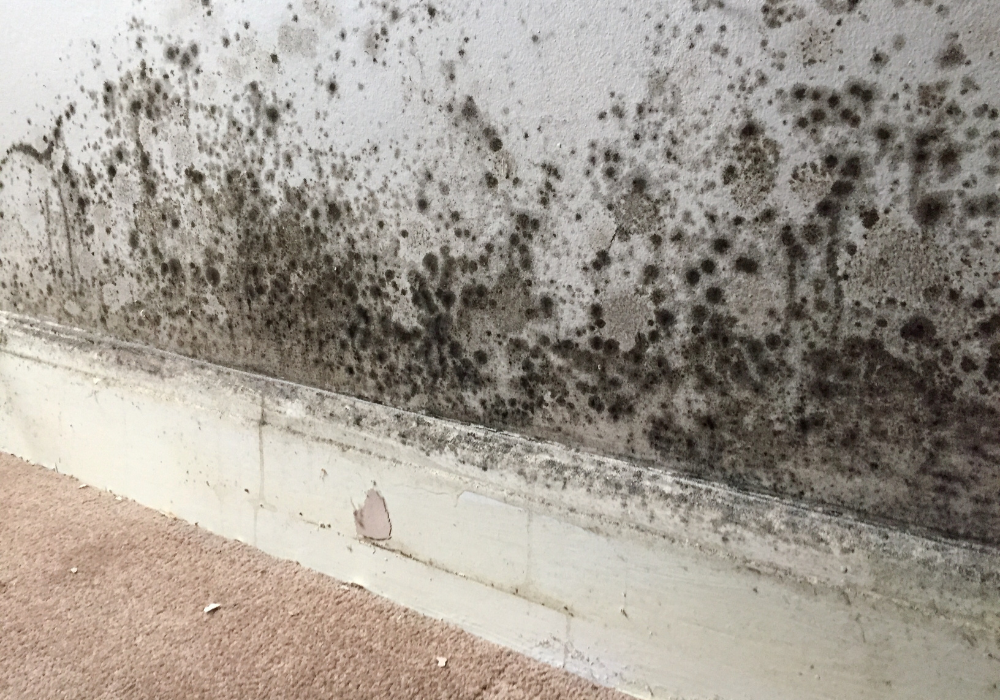
- Issues like damp and mould were often treated as management issues, not compliance failures.
So, in short, the principle existed, but the regulatory teeth didn’t.
Why the new DHS feels different now.
What’s changed recently isn’t necessarily about when health and safety was a consideration under DHS, it’s how seriously it’s treated.
The new standard reinforces:
- Stronger consumer regulation
- Housing Ombudsman spotlight on damp & mould
- Awaab’s Law creating legal timeframes
- Clear expectation of proactive hazard response and management
In other words, we are shifting from:
“Has the home crossed a minimum technical threshold?”
to:
“Is this home demonstrably safe, healthy, efficient and fit for modern living and can you prove it?”
Broader coverage of the Standard means extending quality expectations across both social and private rented sectors with a phased implementation to 2035.
These reforms mean many homes, particularly the older ones, non traditional housing or those with poor thermal performance will require a more considered options appraisal, planned retrofit or renewal works as part of long term investment programmes.
Housing providers must therefore seriously consider balancing long term strategic investment planning with operational delivery while navigating public procurement regulations, cost pressures and supply chain complexity.
Planning, Procuring, Performing – Getting DHS Ready
Procurement frameworks (managed by consortia) essentially include pre qualified lists of contractors, suppliers and consultants, so provide social housing landlords with compliant, streamlined routes to market for delivering planned works and services.
How we can help
Securing Compliant, Pre Qualified Suppliers
Frameworks provide access to a vetted supply chain of contractors and specialist consultants who understand social housing requirements, regulatory compliance and quality standards. Providers save time on tendering and reduce risk when securing partners to deliver retrofit, building safety and maintenance works aligned to DHS criteria.
Reducing Procurement Complexity and Cost
By leveraging the benefits of aggregated procurement, frameworks can deliver economies of scale on materials, labour and specialist services. This helps housing providers manage capital budgets more effectively, especially for large works programmes such as building component upgrades, heating system replacement, or damp and mould remediation.
Ensuring Regulatory Compliance
CHIC’s frameworks are designed to operate within UK procurement regulations to meet public sector regulatory expectations, helping housing providers avoid pitfalls while delivering improvements at scale.
Planning and Forecasting Support
CHIC’s frameworks combine procurement expertise with technical expertise and commercial data, benchmarking and forecasting tools, helping Members to plan and deliver multi year investment plans, estimate costs and make data driven decisions about where to focus improvements to best invest their housing revenue.
How CHIC Helps Deliver Better Homes & Better Value
As a member owned, not for profit asset management and procurement consortium focused on delivering compliant, cost effective procurement, we have tailored our solutions to meet the needs of our Members within the affordable housing sector and other public bodies.
How CHIC members meet the challenges of the new DHS and beyond
Compliant, Outcomes Focused Frameworks
CHIC offers a wide range of framework and dynamic purchasing system (DPS) solutions covering the full spectrum of Housing & Asset Management related disciplines. Everything from materials supply, repairs & maintenance works to specialist building safety services & consultancy. These frameworks are built to be compliant and flexible, allowing members to either run mini competitions or make direct awards where justified, reducing the administrative burden while meeting regulatory requirements.
End to End Procurement Support
Unlike many procurement consortia, CHIC provides ongoing support throughout the procurement process, from project scoping and specification development to supplier selection, contract award and contract performance management. This means members have expert support at every stage of delivering Decent Homes works.
Asset Management Expertise
CHIC’s team combines asset management, technical and procurement expertise, helping members align procurement routes with broader investment planning and long term asset strategies.
Cost Saving and Market Insight
By aggregating demand across its membership (which spans 300+ housing associations and local authorities), CHIC enables organisations to secure better pricing through volume purchasing, transparent benchmarking and commercial insight, supporting their financial capacity to deliver DHS related improvements over time.
Social Value and Community Outcomes
CHIC embeds social value into its frameworks and contracts and collaborates closely with suppliers to maximise community benefits such as training opportunities, employment initiatives and support for local economies. This aligns well with the broader policy intent behind the DHS, which emphasises safe, decent, and socially sustainable housing outcomes.
As long serving members of the housing sector it’s important to reinforce that the result of regulation is not just compliant homes, but that investment also delivers wider social value outcomes.
We have a duty to provide safer, healthier, and more sustainable communities, be accountable and be ready to meet the needs and expectations of tenants and regulators alike.
The new Decent Homes Standard raises the bar for what “decent” really means in UK housing, encompassing not just safety and repair but comfort, energy performance and resident wellbeing. To meet these ambitions while controlling costs and navigating procurement compliance, social housing providers must be strategic about how they source goods, services and works. CHIC provide a practical, compliant, cost effective and supported route to market, helping landlords align investment, deliver quality improvement programmes and ultimately ensure their homes meet and exceed the standards set out in the new Decent Homes Standard.